
FINMA intermediary symposia in 2026
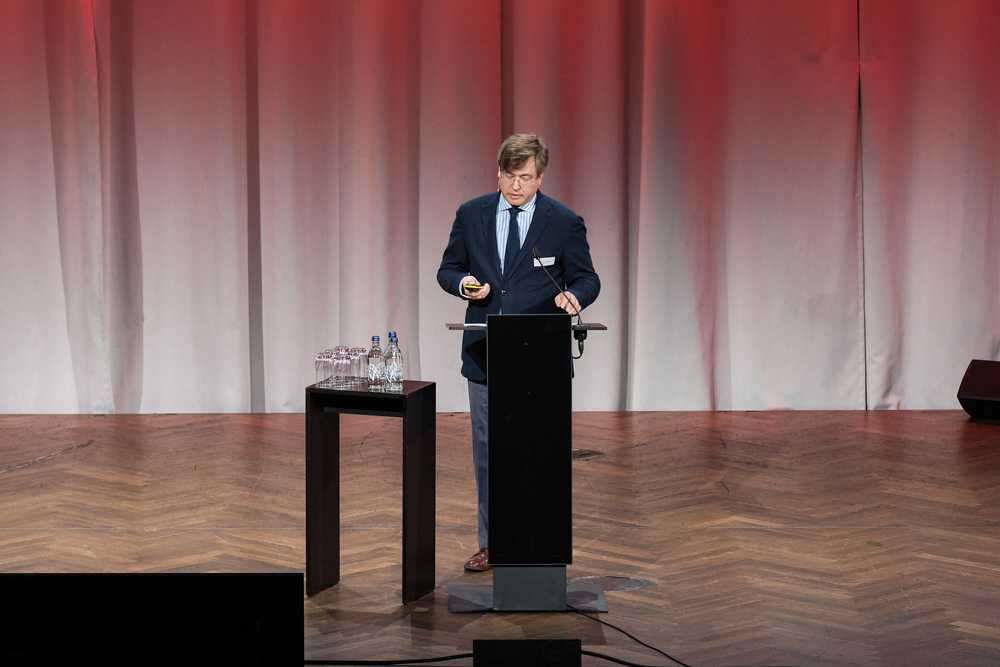
For the first time since the revised intermediary regulations came into force, the financial market supervisory authority FINMA conduced a comprehensive intermediary symposium on 17 June 2026 at the Kursaal Bern and on 30 June 2026 at the Centro Studi Villa Negroni in Lugano. Both events met with considerable interest. All seats in the rooms were taken. The focus was on developments in the intermediary market, registration topics and initial supervisory experiences.
Stefan Walter, FINMA CEO, opened the event with a welcome message. He emphasised client protection as a top priority for FINMA and drew a positive conclusion of increased supervision of insurance intermediation. The quality of intermediation has improved, which is due primarily to the commitment of the intermediaries. At the same time, he highlighted that FINMA will continue to deal systematically with misuse in the future too. He placed a particular emphasis on the point of sale, where it can be seen if client interests are being effectively protected. Dialogue with the industry and preventive measures are key success factors in this context.
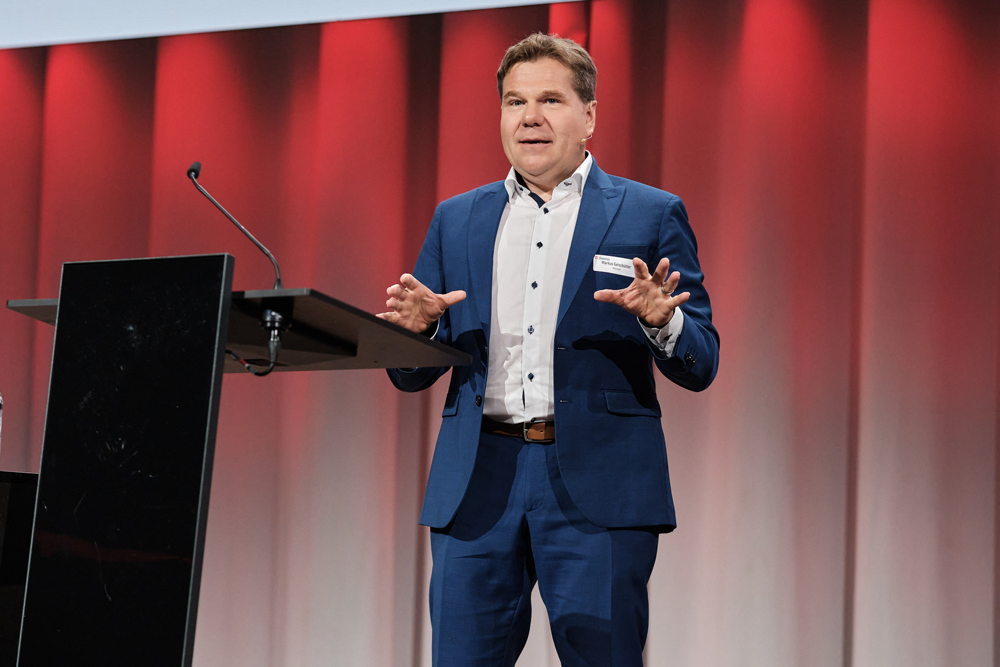
Finally, Markus Geissbühler, Head of the Digital Supervision of Insurance Companies and Intermediaries, provided an overview of developments as regards intermediary supervision. He looked back at the challenges in implementing the new regulations and, among other things, addressed the establishment of new supervisory structures, the high volume of enquiries and how to deal with the unexpectedly large number of reported irregularities. At the same time, he drew a positive interim conclusion: supervision is established, and cooperation with the industry has proved its worth.
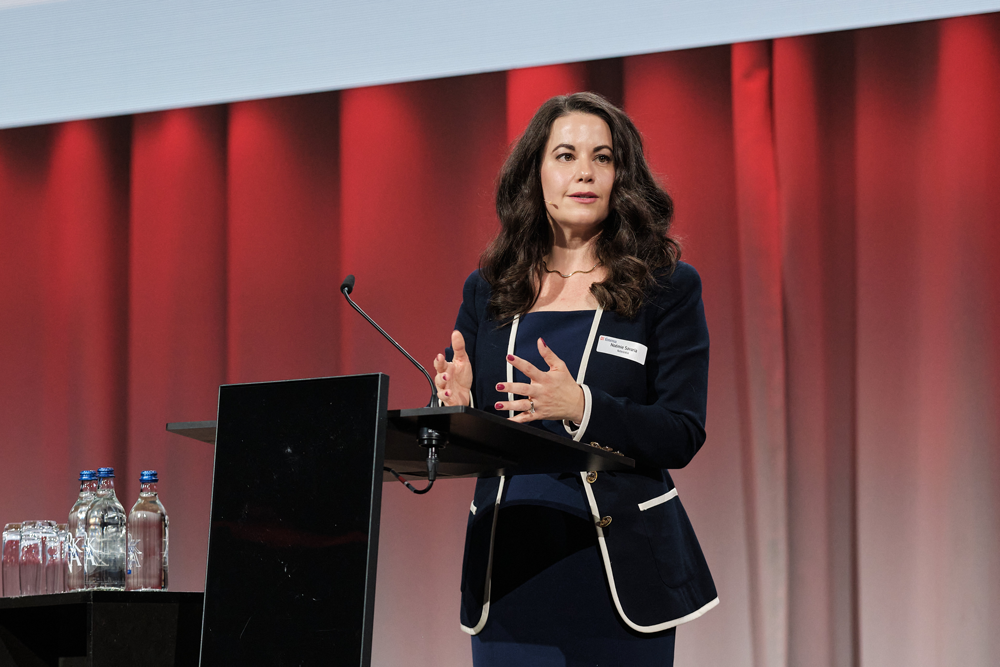
Noémie Savaria, Head of Authorisation and Registration, presented up-to-date key figures from the register of insurance intermediaries and provided information about the status of work in checking follow-up documentation. She also provided an insight into registration practice. Since the beginning of 2024, over 7,000 intermediaries have registered, while around 3,000 deregistrations were recorded. The register currently comprises just under 12,000 entries. The figures highlight the high level of dynamism and the large quantity structure in the intermediary market.
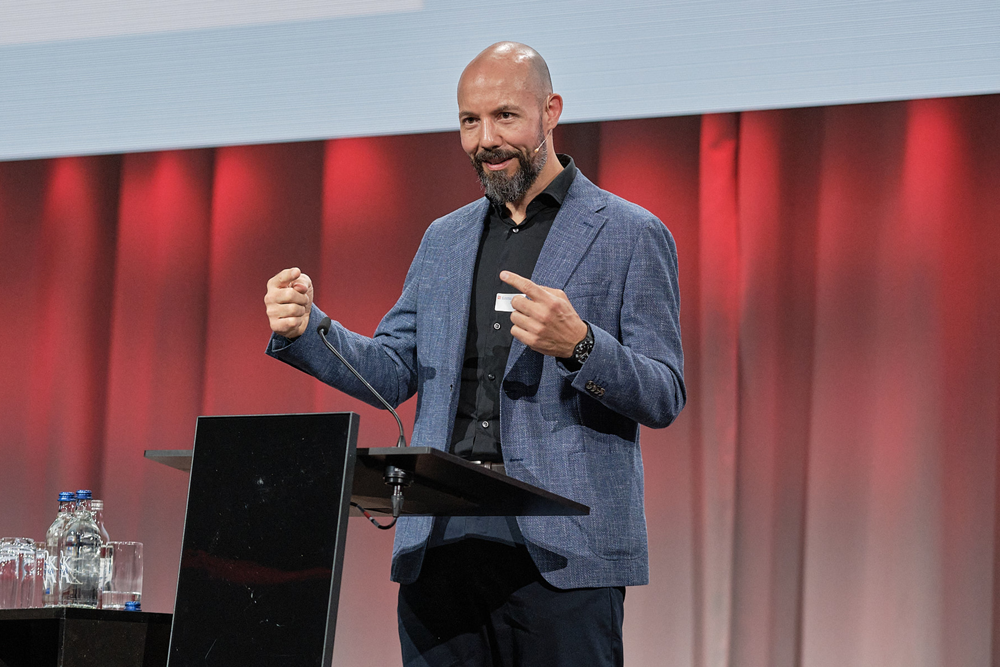
Ongoing training and further education is a key requirement for high-quality advice and effective client protection. Roger Lüthi, Head of Intermediaries and Cicero at the Vocational Training Association of the Insurance Industry (VBV), talked about the status of authorisation and recertification examinations. In 2025, 16,848 examinations were taken, with a pass rate of around 75 percent. By mid-June 2026, the VBV recorded 9,906 examinations with a success rate of around 65 percent.
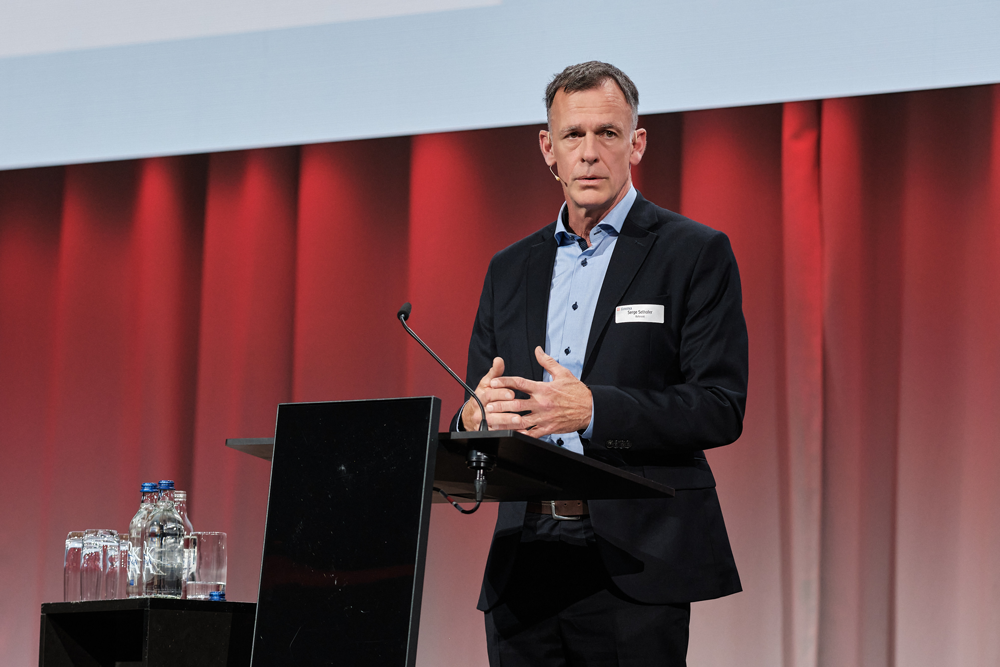
In his speech, Serge Selhofer, Head of Supervision of Insurance Intermediaries at FINMA, drew an initial conclusion after 30 months of intermediary supervision. Around 2,250 complaints and indications resulted in over 320 investigations. The most frequent breaches related to unauthorised activities, abusive practices at the point of sale and violations of the registration obligation. With over 14,000 processed e-mails, over 1,200 investigation letters and numerous supervisory discussions and on-site inspections, he also illustrated the higher-than-expected operational outlay of the new supervision.
Philipp Lüscher, Head of the Legal Service, then explained the criteria according to which FINMA assesses how to subject insurance intermediaries to the Insurance Supervision Act. He explained how FINMA distinguishes untied and tied intermediation on this basis or how it sets address brokerage that is not subject to the ISA apart from insurance intermediation. A future FINMA circular is intended to be a binding definition of the practice and to create additional legal certainty.
Finally, Markus Geissbühler linked regulatory progress to the practical implementation of client protection. On the basis of specific supervisory findings, he showed that FINMA has identified over 1,000 unauthorised intermediaries since the legislative revision. The abusive practices range from a lack of qualifications and unauthorised activities through cold calling to incorrect advice and cases of fraud. Markus Geissbühler pointed out that such practices not only disadvantage and harm insured persons but also generated considerable costs and reputational risks for the industry. Effective controls, systematic combating of abusive practice and a corporate culture that highlights client protection are thus all the more important.
 |
 |
 |
 |
 |
 |
FINMA considered it very important not only to conduct the symposia as information events but also to make them a platform for a direct dialogue with the industry. Participants were therefore able to submit questions, comments and concerns continuously via an app during the symposia. The contributions were taken up and answered by FINMA representatives at the end of the event. The symposium thus offered not only specialist information but also an opportunity to engage in direct dialogue with the supervisory authority.
Outlook
The presentations clearly showed that the introduction of the new intermediary supervision has resulted in important progress. At the same time, the further strengthening of client protection remains a joint task for registration, supervision, enforcement, insurance companies and intermediaries. FINMA appealed to all market participants to focus systematically on client-focused advice, high-quality products and sustainable client relationships. Only if all parties take responsibility for preventing abusive practices and for client protection can the integrity and attractiveness of Switzerland as an insurance location be secured in the long term.